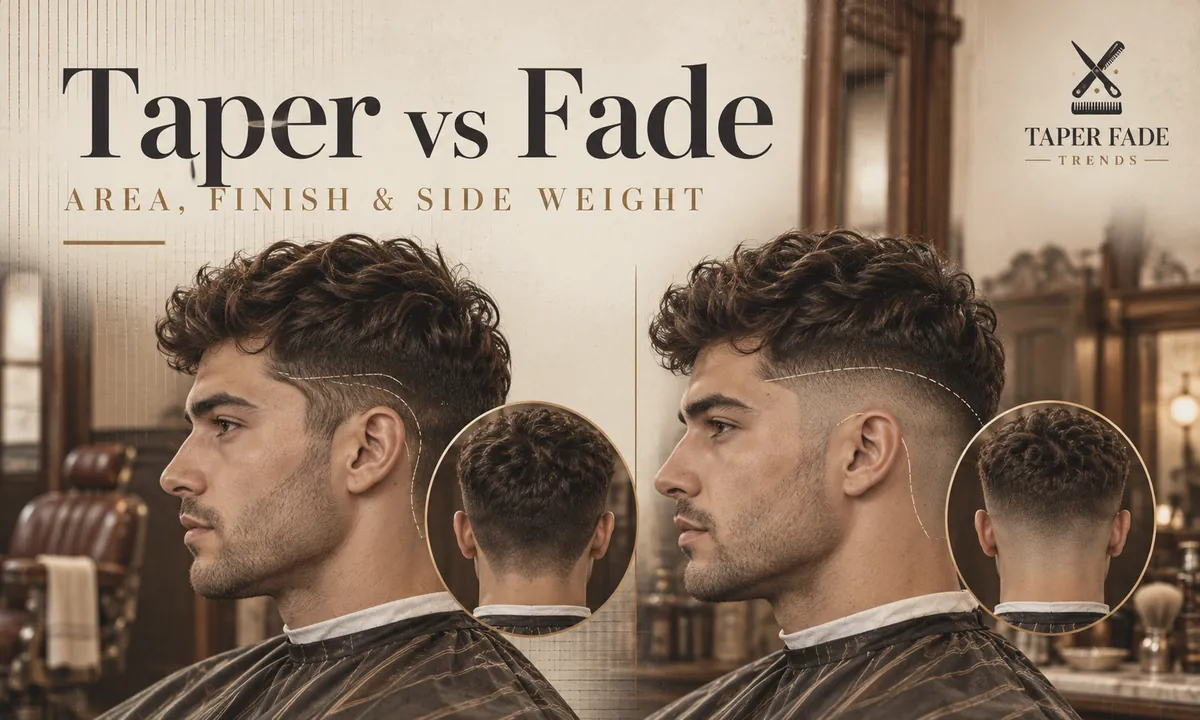
Taper vs fade: what changes in area, finish and side weight
Taper vs fade compared by coverage, height, shortest finish and side weight, with a back-view check and word-for-word barber scripts for either cut.
Pick the height you want or the hair you have. Each guide says where the short work sits, how much side weight stays, which guard numbers mean what, and the words to use before the clippers start.

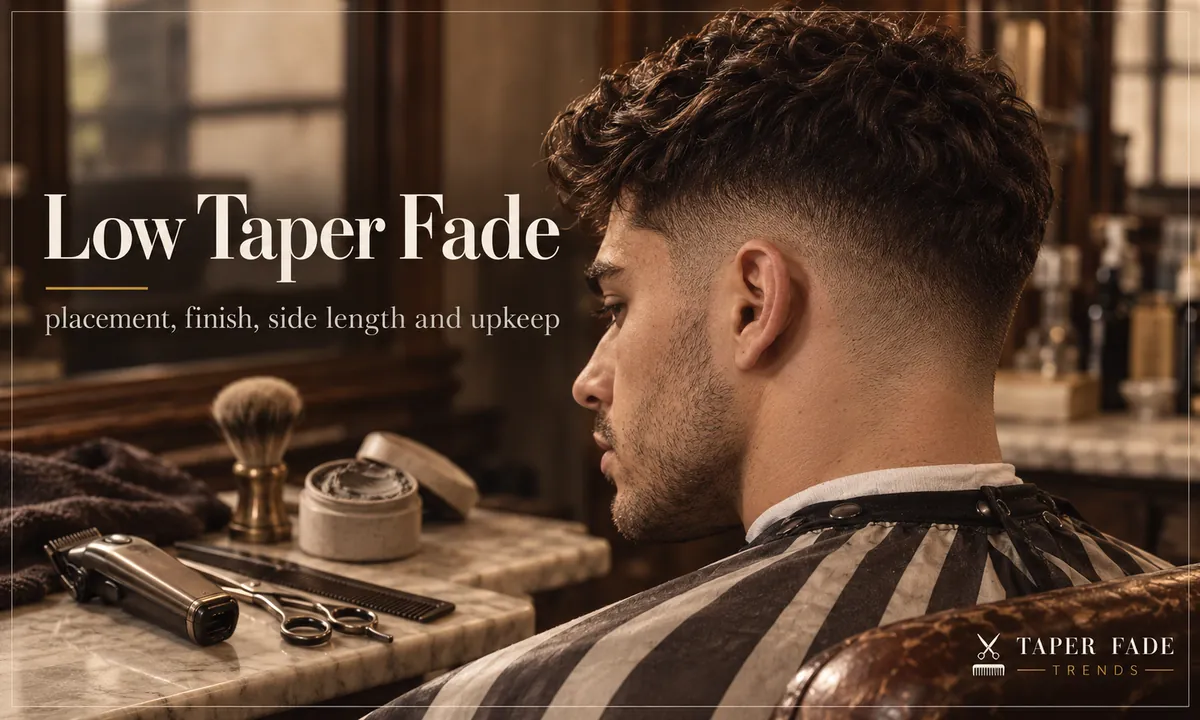
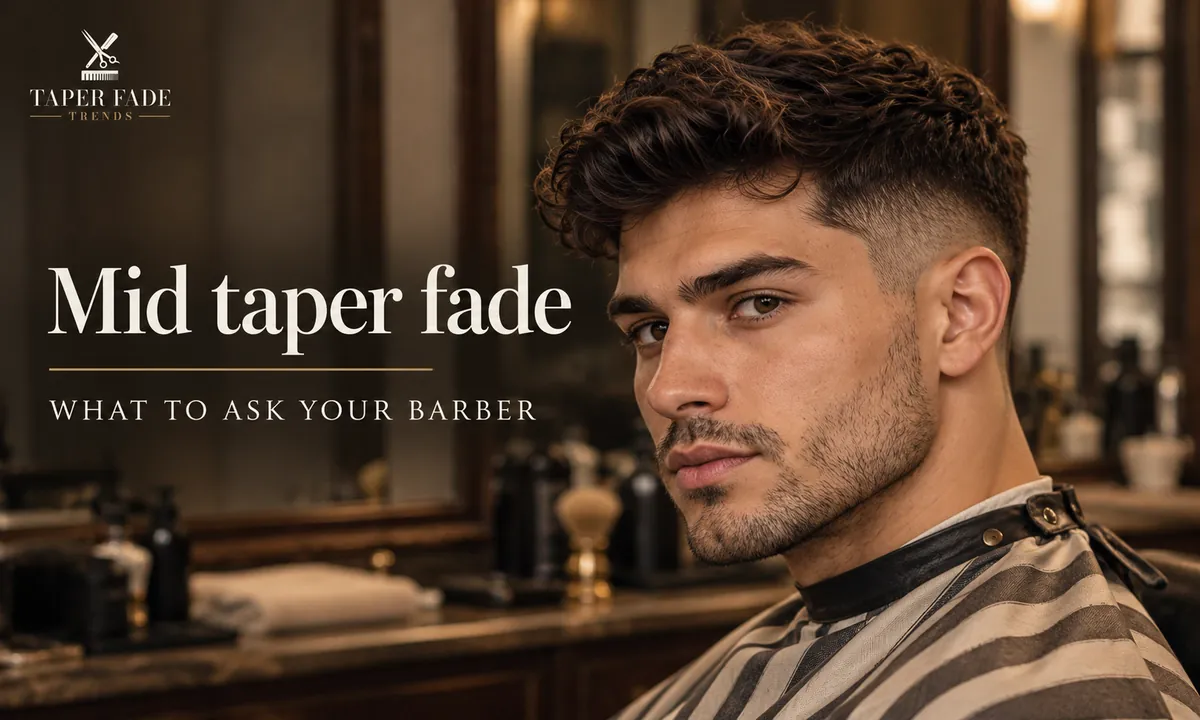

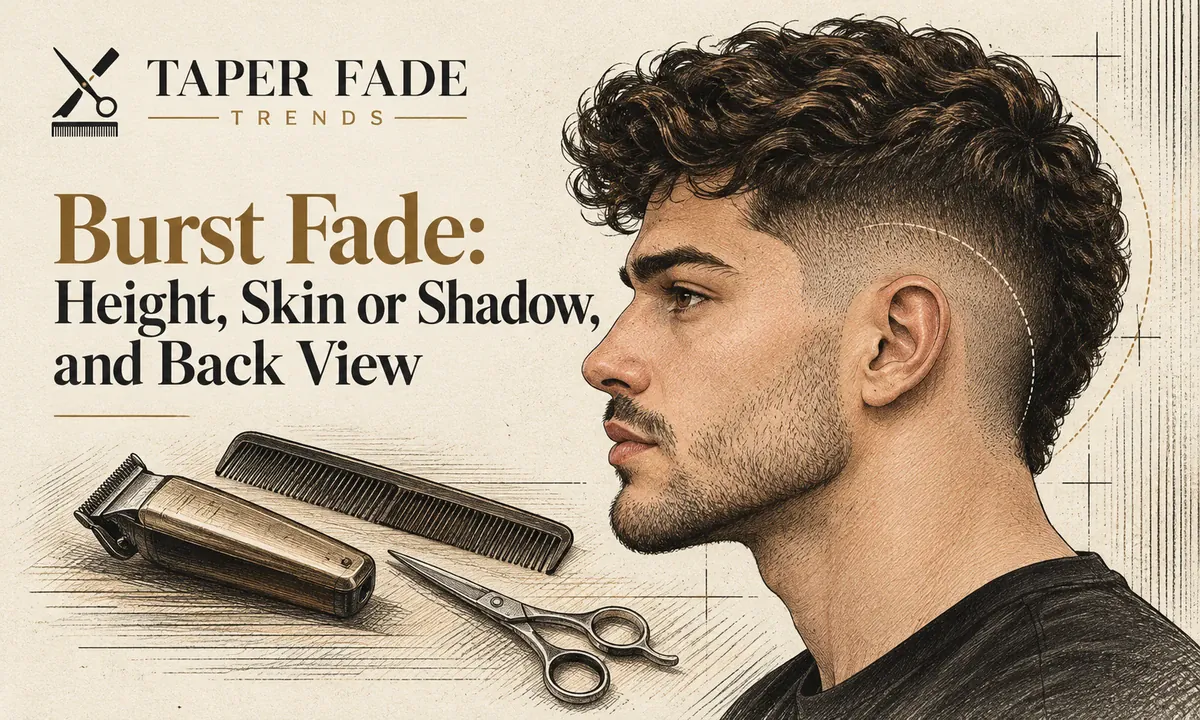
“Low taper” or “high taper” names one of them. The barber fills in the other three, and that is where most disappointing haircuts come from. Settle all four and confirm them with a side and back photo before the cut starts.
Where the short work starts. Low keeps it near the sideburns and nape, high starts it at the temple corner.
How much of the sides and back the taper touches, and so how much side weight stays above it.
How short the bottom goes: visible hair, a shadow or bare skin. The height name never says.
What sits above the taper. A buzz, a fringe, a blowout or curls each change what the sides should do.
The full method is in the taper fade guide and the five-part barber brief.
The same taper behaves differently on different hair. Curls shrink and spring up, straight hair can stick out at the sides as it grows, and dense coily hair changes how the hairline and top are shaped.
How to ask for a taper fade: say where it may reach, how short the base goes, how much side weight stays and what to do on top, then check the plan first.
Haircut numbers in mm and inches, checked against Wahl, Andis and Oster specs, plus why #0 isn’t always no guard and what to tell your barber.
How to maintain a taper fade between haircuts: what is safe at home, where to stop before the blend, and when to book a cleanup or a full cut.
How long does a taper fade last? Sharpest for 1 to 2 weeks, tidy for about 2 to 4. See what changes each week and when a touch-up beats a full cut.
Below this, brands label differently. Ask what a #0 means.
The same on the Wahl, Andis and Oster guards checked.
Each Wahl step adds 1/8 inch, about 3 mm.
Above this, labels start to differ between brands.
Taper vs fade compared by coverage, height, shortest finish and side weight, with a back-view check and word-for-word barber scripts for either cut.
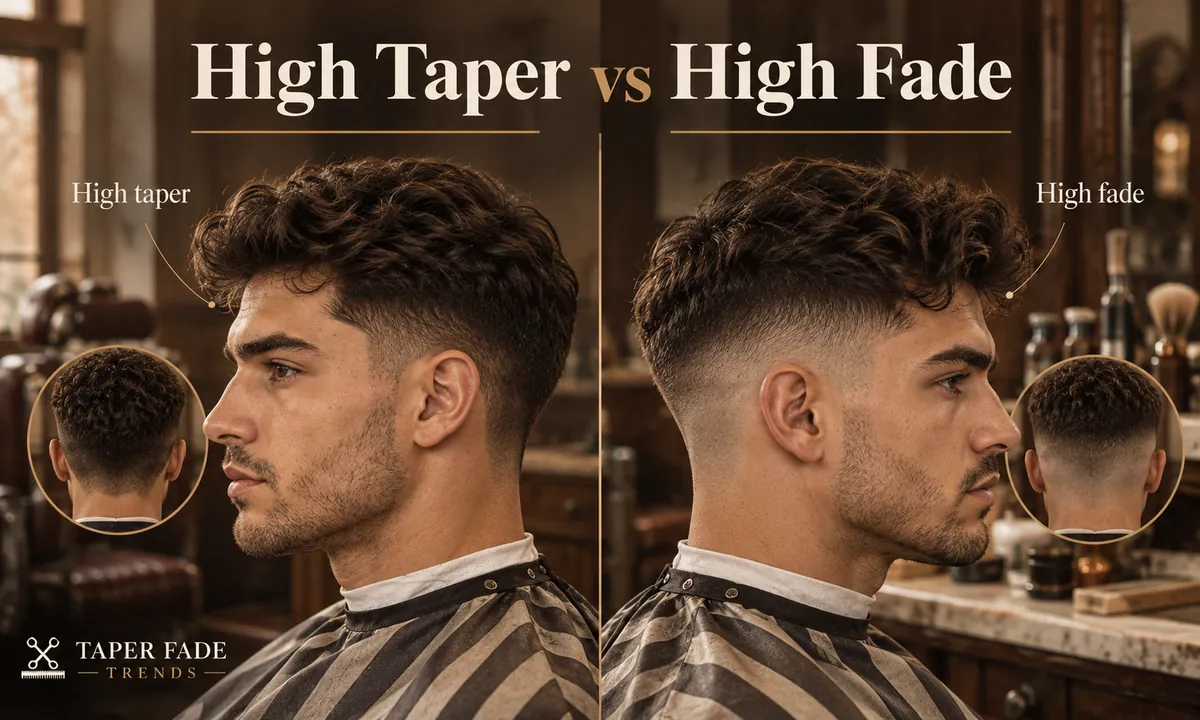
High taper vs high fade compared by side weight, back coverage and shortest finish, plus why barbers use the names differently and a four-point brief.
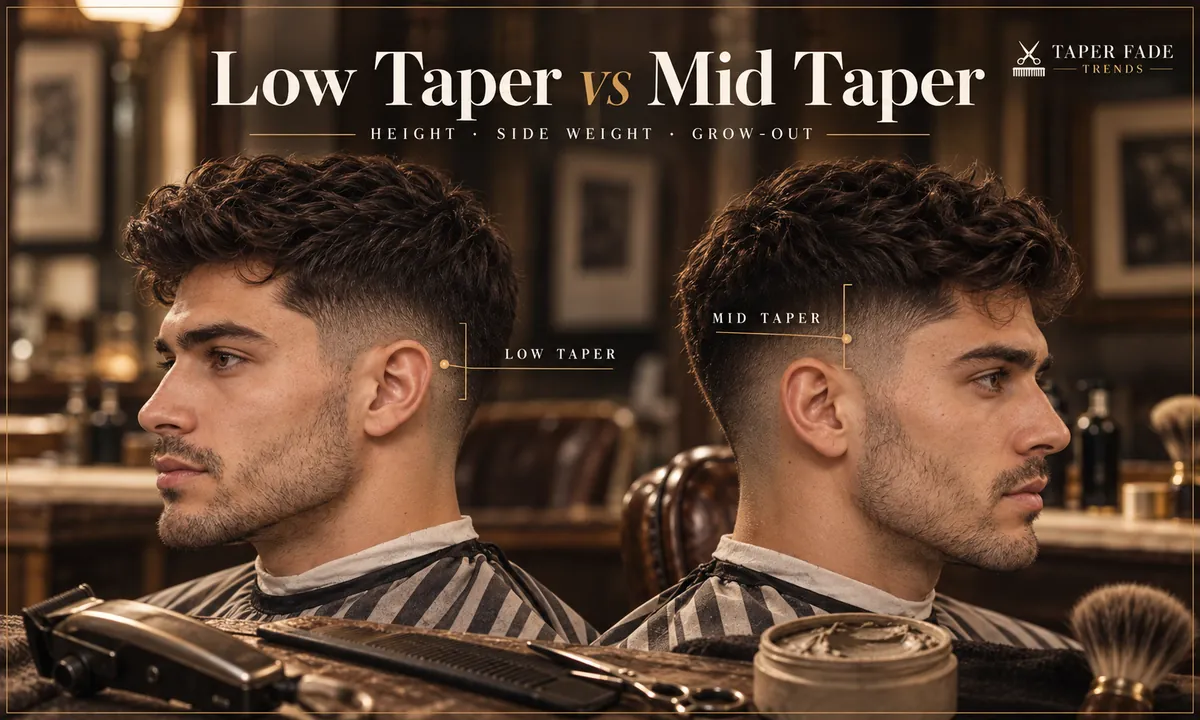
Low taper vs mid taper compared on height, side weight, shortest finish and grow-out, why switching mid to low takes time, and what to tell your barber.
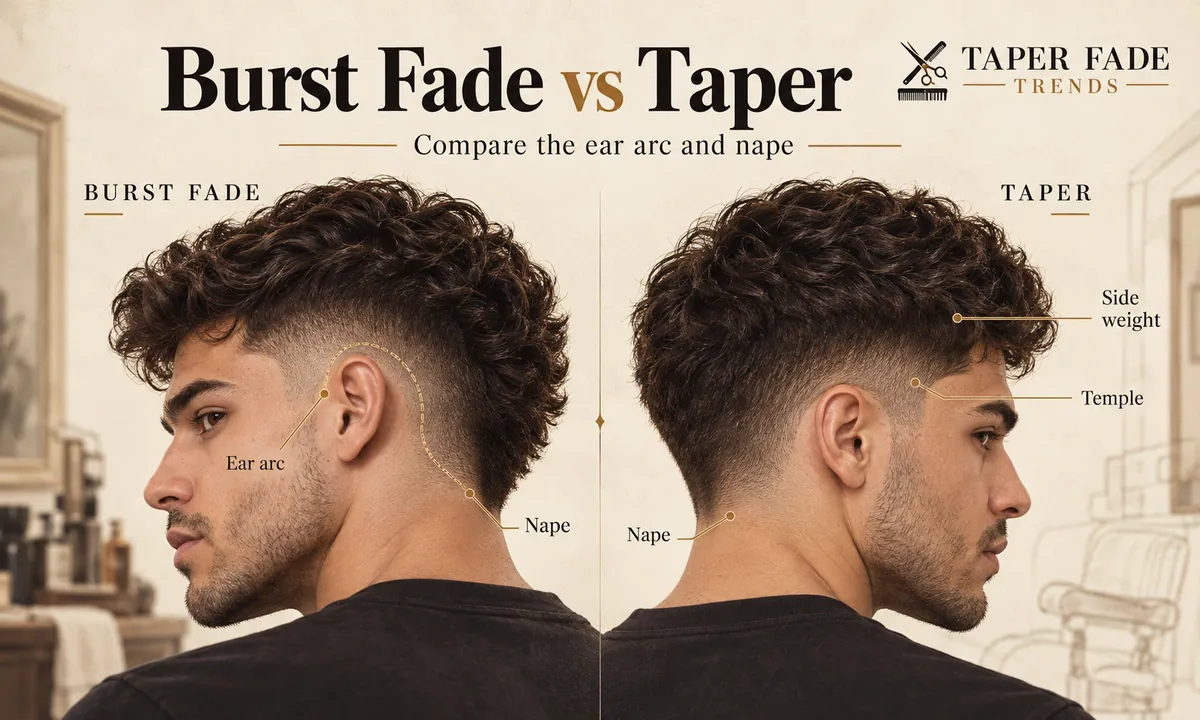
Burst fade vs taper compared by ear arc, side coverage, nape treatment and shortest finish, plus a five-part barber brief and the photos to bring.
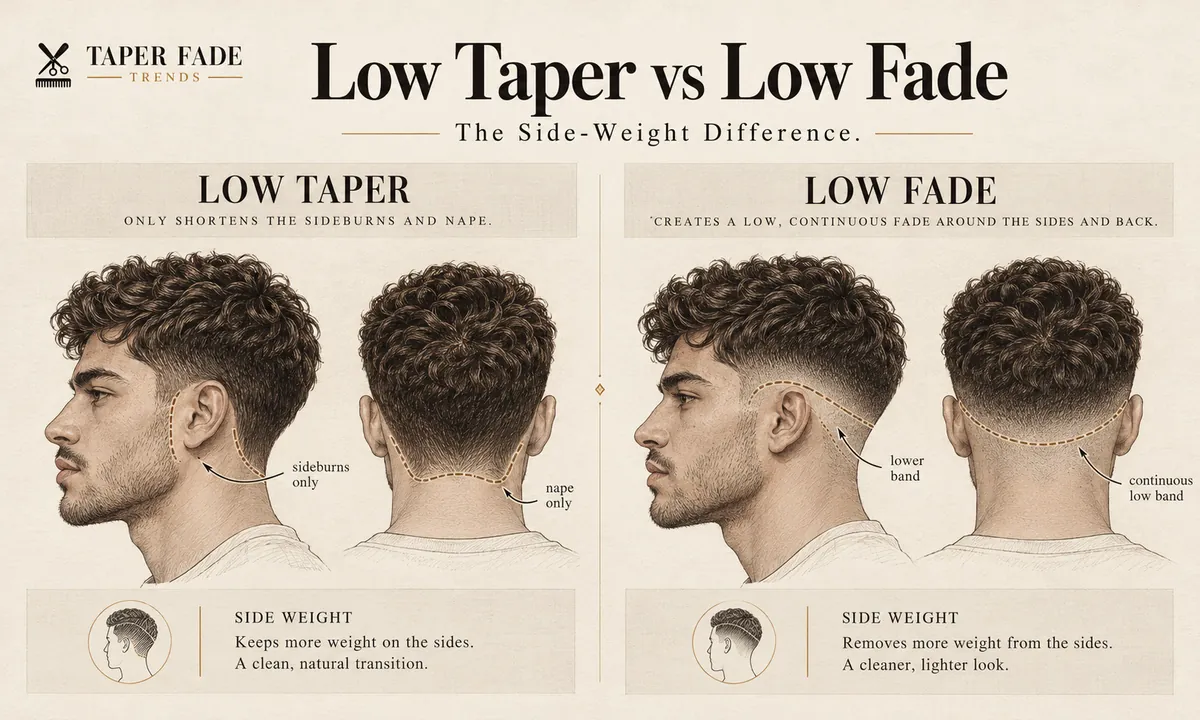
Low taper vs low fade: a low taper shortens the sideburns and nape; a low fade shortens a band around the lower sides and back. Compare finish and upkeep.
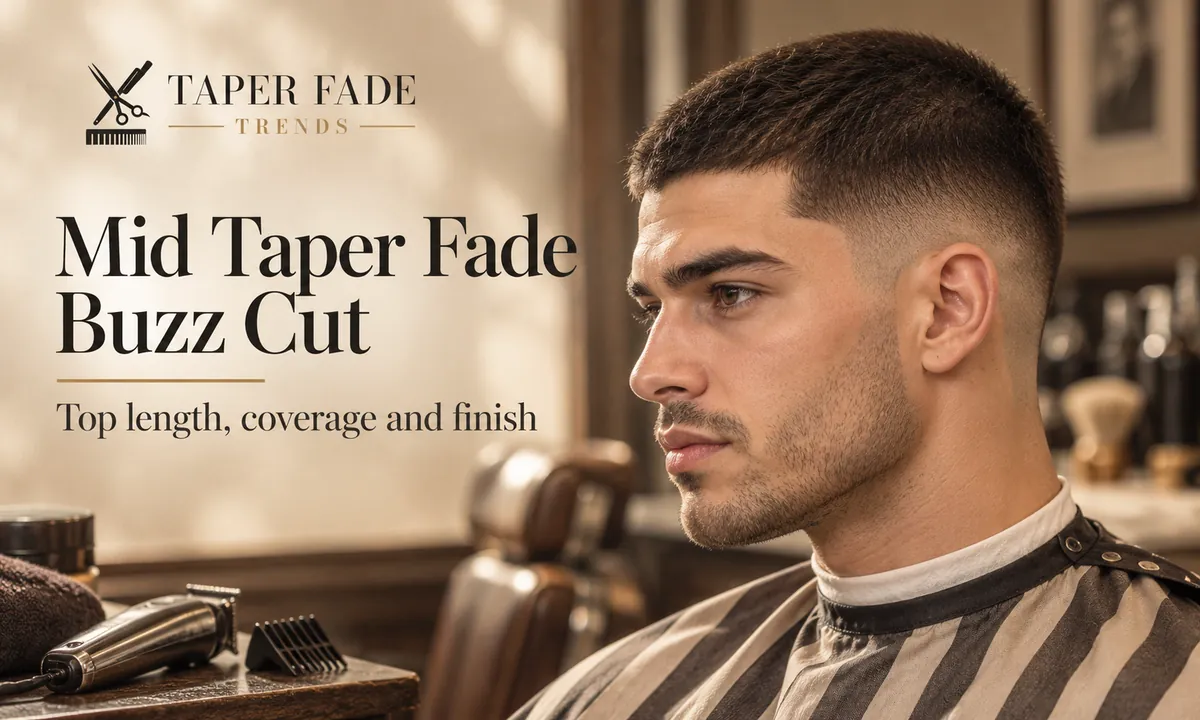
Compare Wahl #1, #2 and #3 tops on a mid taper fade buzz cut, see how it differs from a full mid fade, and get a five-line brief to read to your barber.
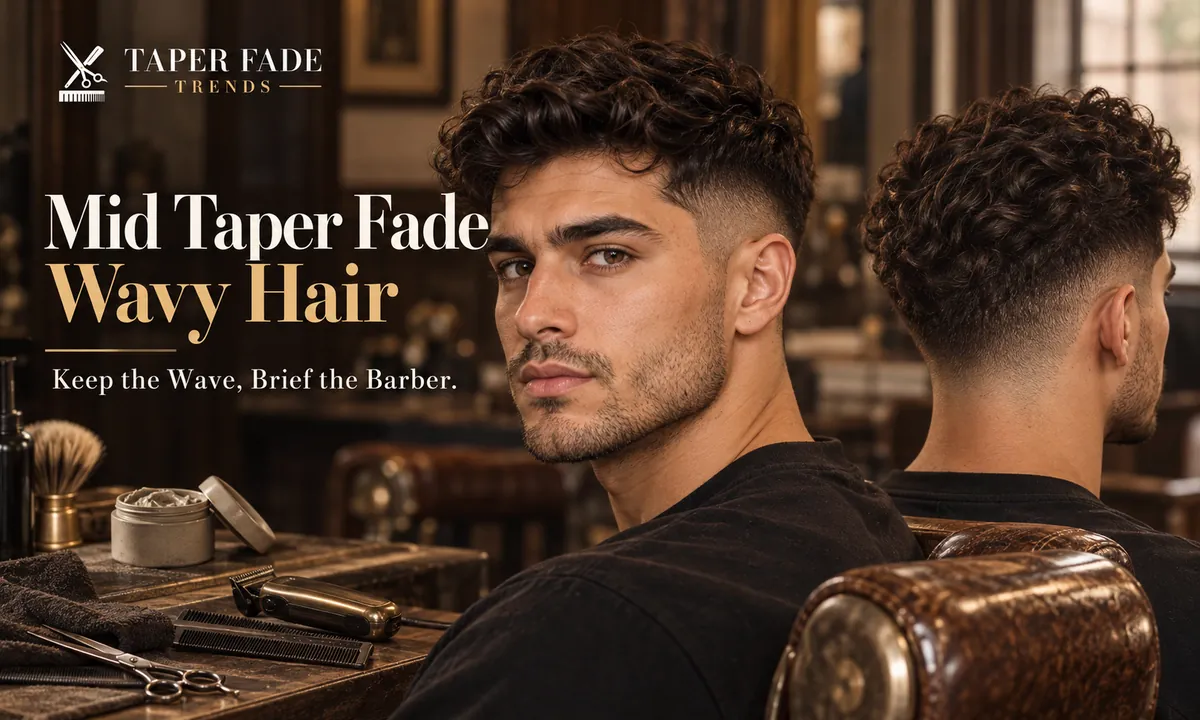
Mid taper fade wavy hair guide: where the taper starts, how much side weight to keep, why top-length advice conflicts, and what to tell your barber.
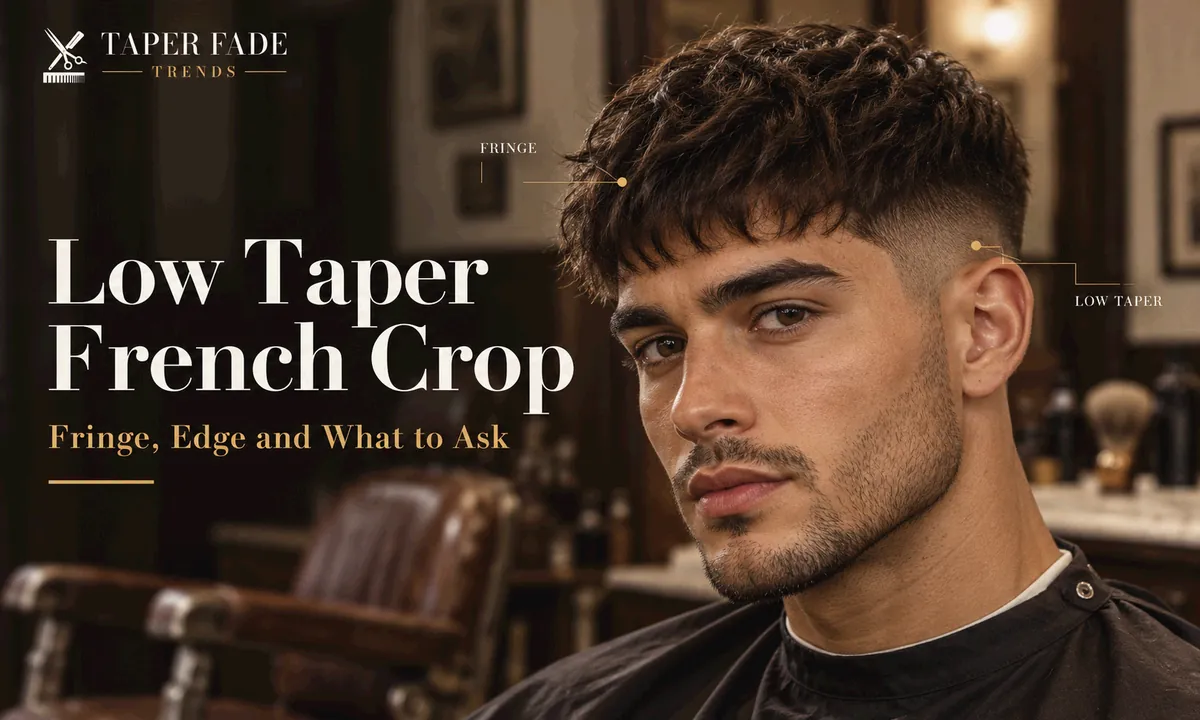
A low taper French crop explained: where the dry fringe should land, blunt vs broken edges, low taper vs low fade, and exactly what to tell your barber.
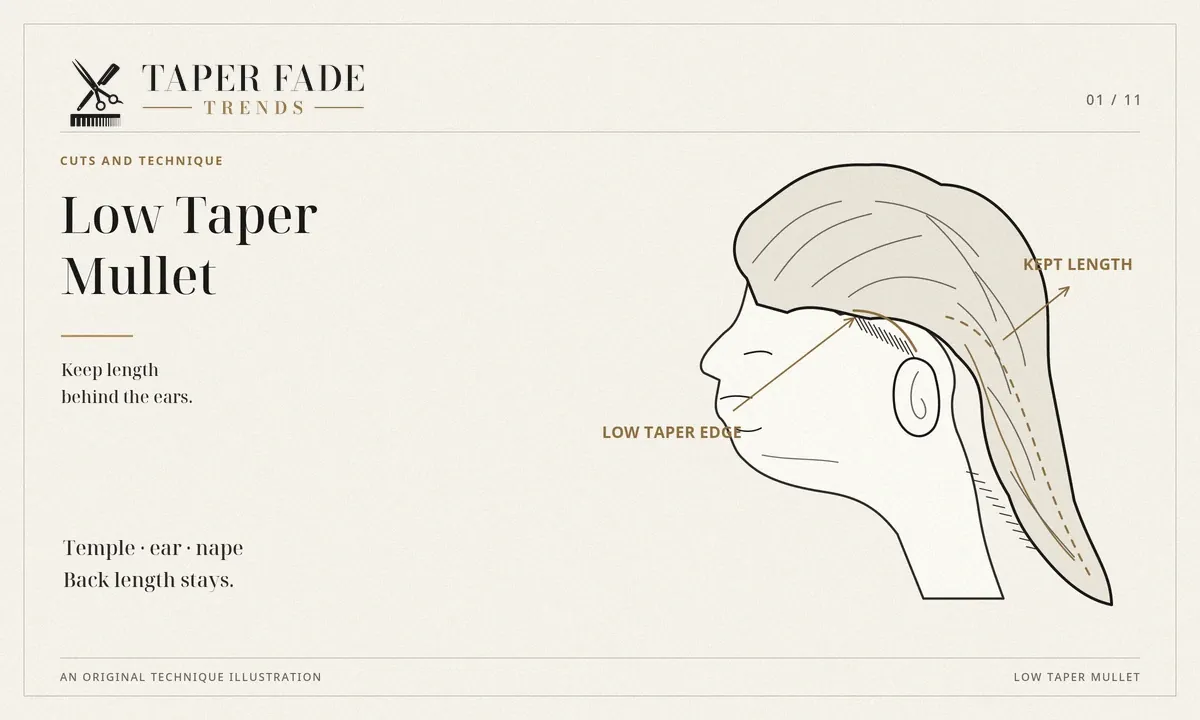
A low taper mullet keeps length behind the ears and through the back. See what to tell your barber, how texture changes it, and how to grow it out.
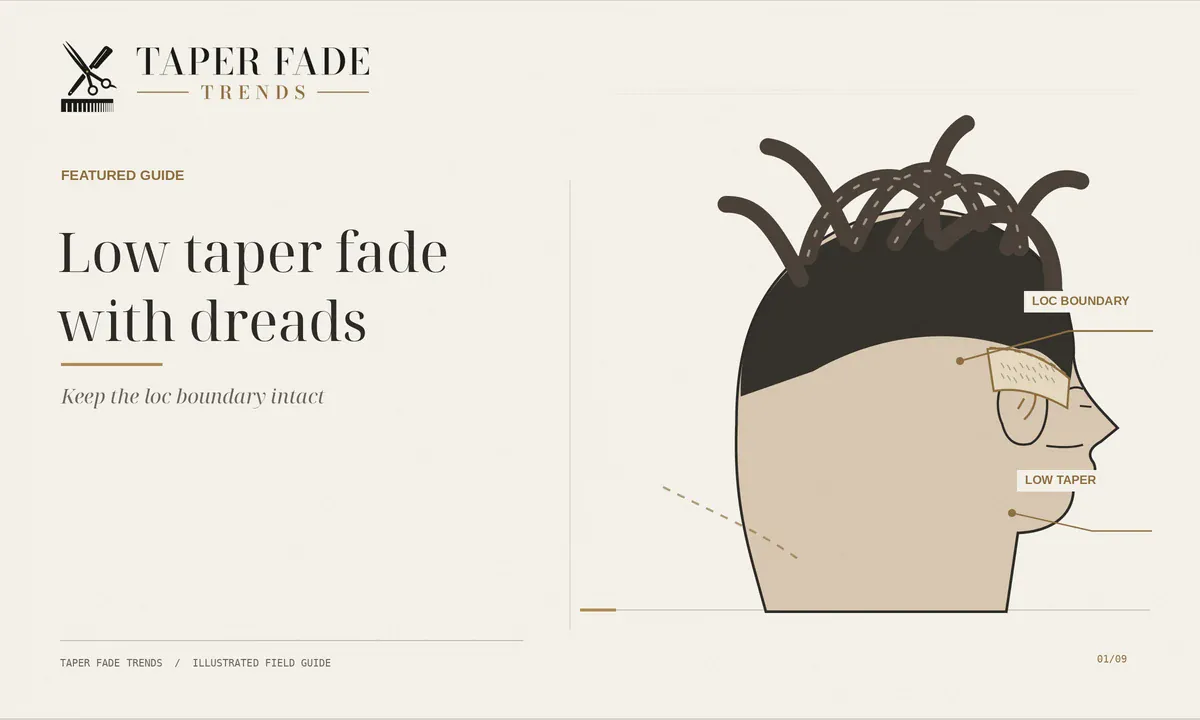
Low taper fade with dreads: which loc bases to protect, how to set the taper zone and endpoint, and what to tell your barber and loctician first.
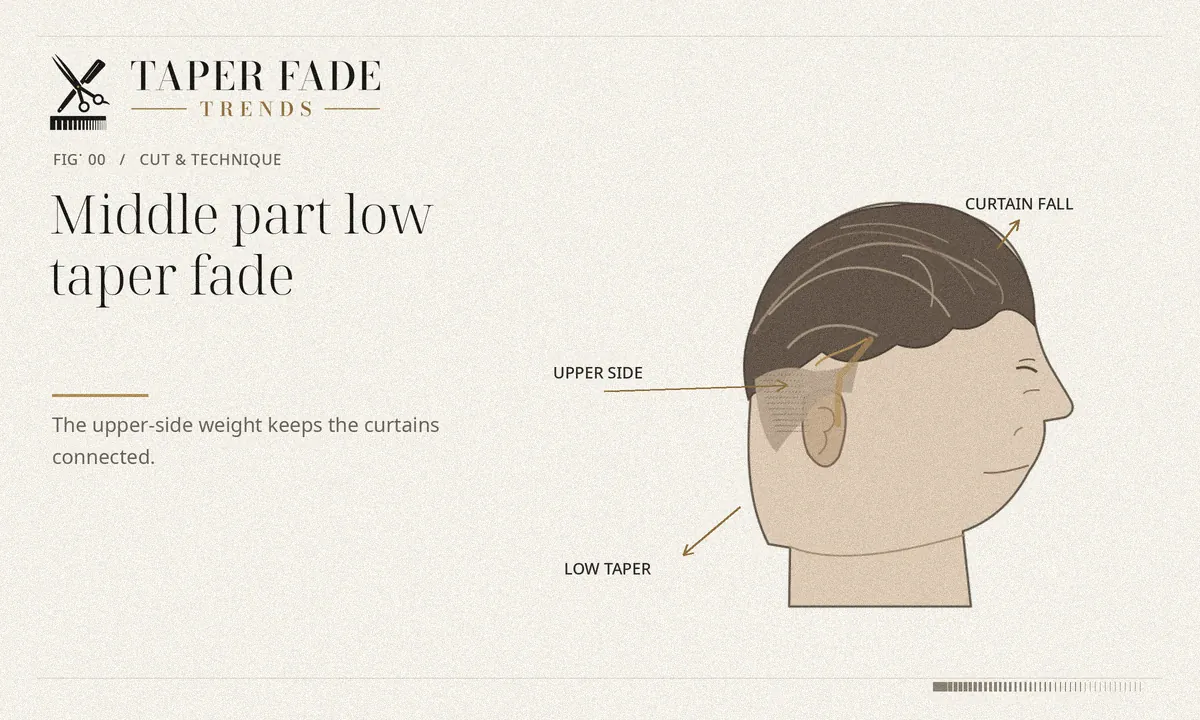
Middle part low taper fade guide: how much side weight keeps the curtains connected, how long the top needs to be, and what to tell your barber.
“Ask for a fade” is not an instruction. Each guide gives the guard length in inches and millimetres, the placement in words a barber uses, and a brief you can read out at the chair. Then it says where the name stops being enough.
Guard lengths come from the clipper makers. Barber and grooming claims link to the shop or guide that made them.
Upkeep and grow-out are given as ranges, with a note where the sources disagree.
When we get something wrong we fix it, date the change, and leave the original claim visible.
Read the editorial policy or more about the site.